Space-Saving Design
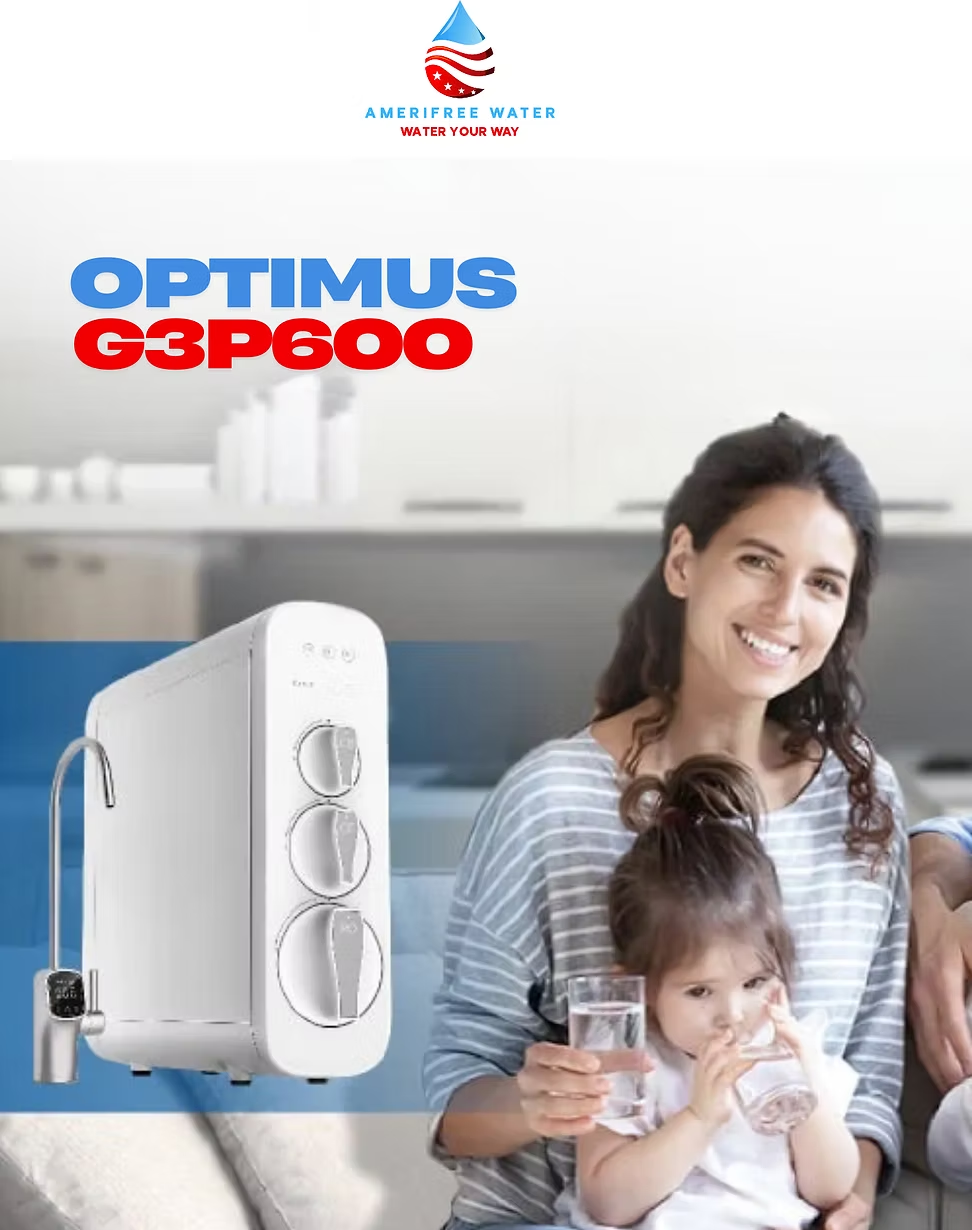
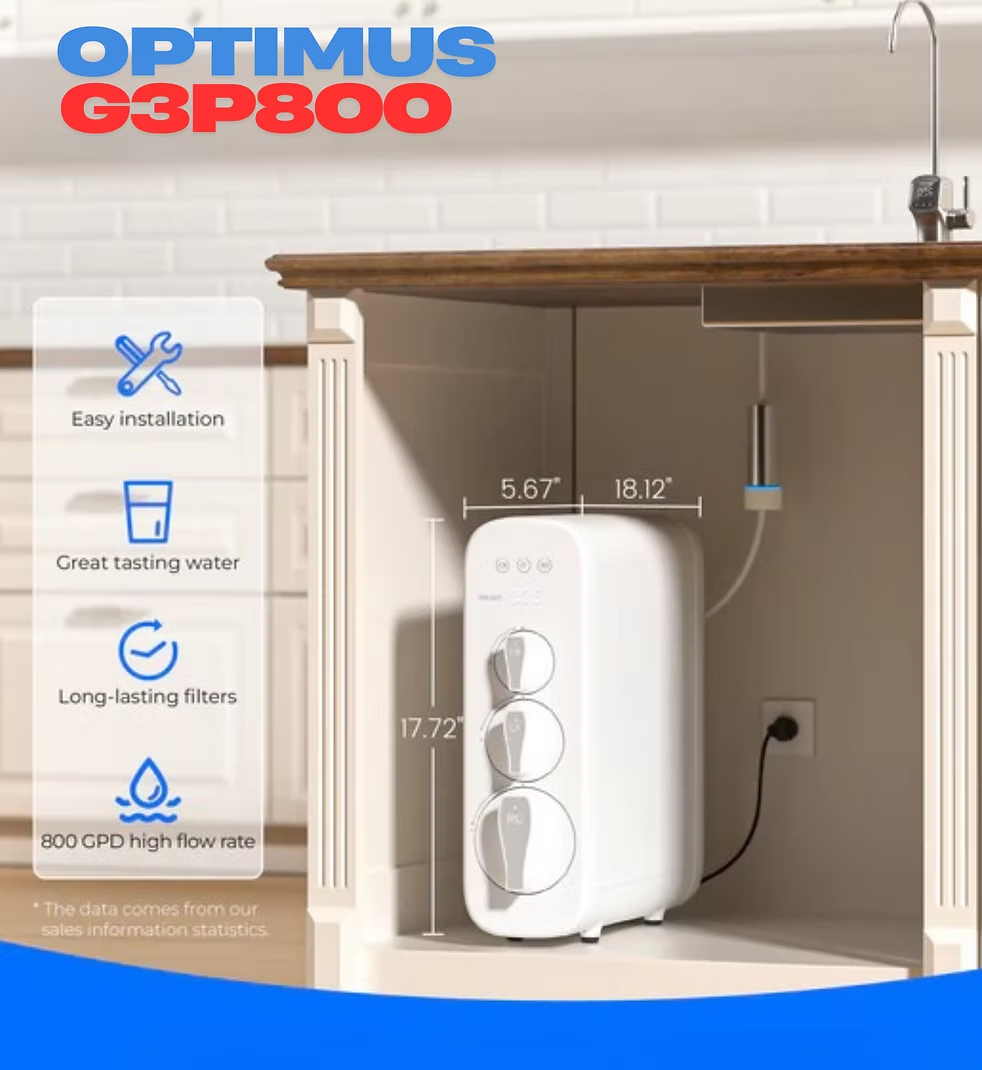
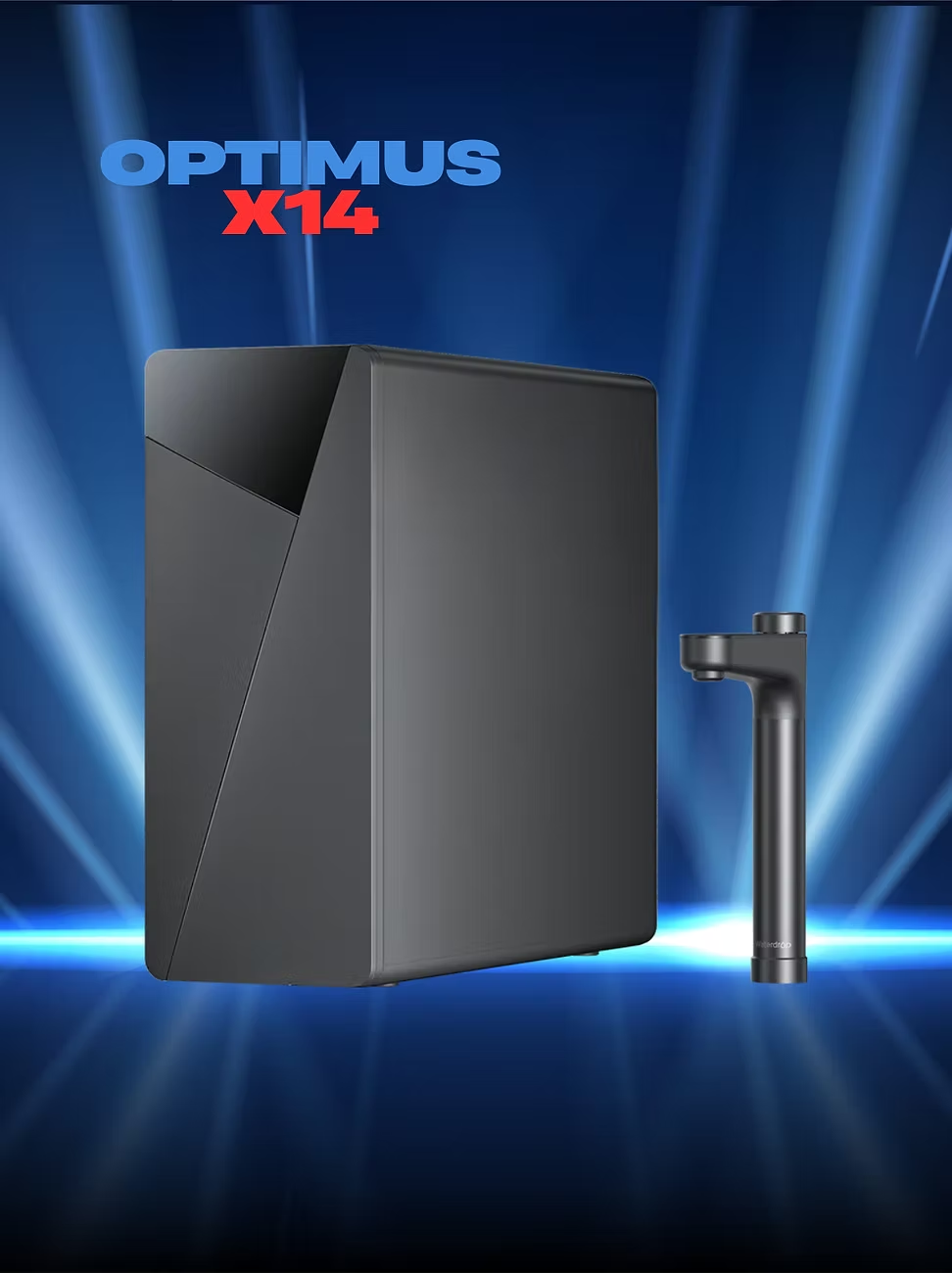
Unlike traditional RO systems with bulky storage tanks, tankless models are compact and sleek. This frees up cabinet space, making them ideal for small kitchens.
Continuous Clean Water Supply
Tank-based systems store filtered water, but once the tank is empty, you must wait for it to refill. Tankless systems filter water on demand, providing a continuous flow without the risk of “stale” water sitting in a tank.
Better Filtration Efficiency
Many modern tankless RO systems have improved technology, often achieving higher recovery rates — meaning less water waste compared to traditional systems.
Reduced Risk of Contamination
With no tank to store water, there’s less chance of bacterial growth or recontamination, which can happen if a tank isn’t cleaned regularly.
Faster Water Flow
Newer tankless RO systems often feature high-efficiency pumps, delivering filtered water at a faster rate than traditional systems.
Smart Monitoring and Automation
Many models come with built-in smart features — like filter life indicators, TDS (Total Dissolved Solids) monitoring, and real-time alerts — helping users maintain their system more easily.
Environmentally Friendly
Thanks to their higher water recovery rates and lower water waste, tankless systems are more eco-conscious compared to older RO models.
Simpler Maintenance
Filter changes are usually straightforward, and without a tank, there’s less equipment to sanitize or replace over time.